At Last a Spotify Update We Can Get Behind – Here’s Why Music Credits Matter
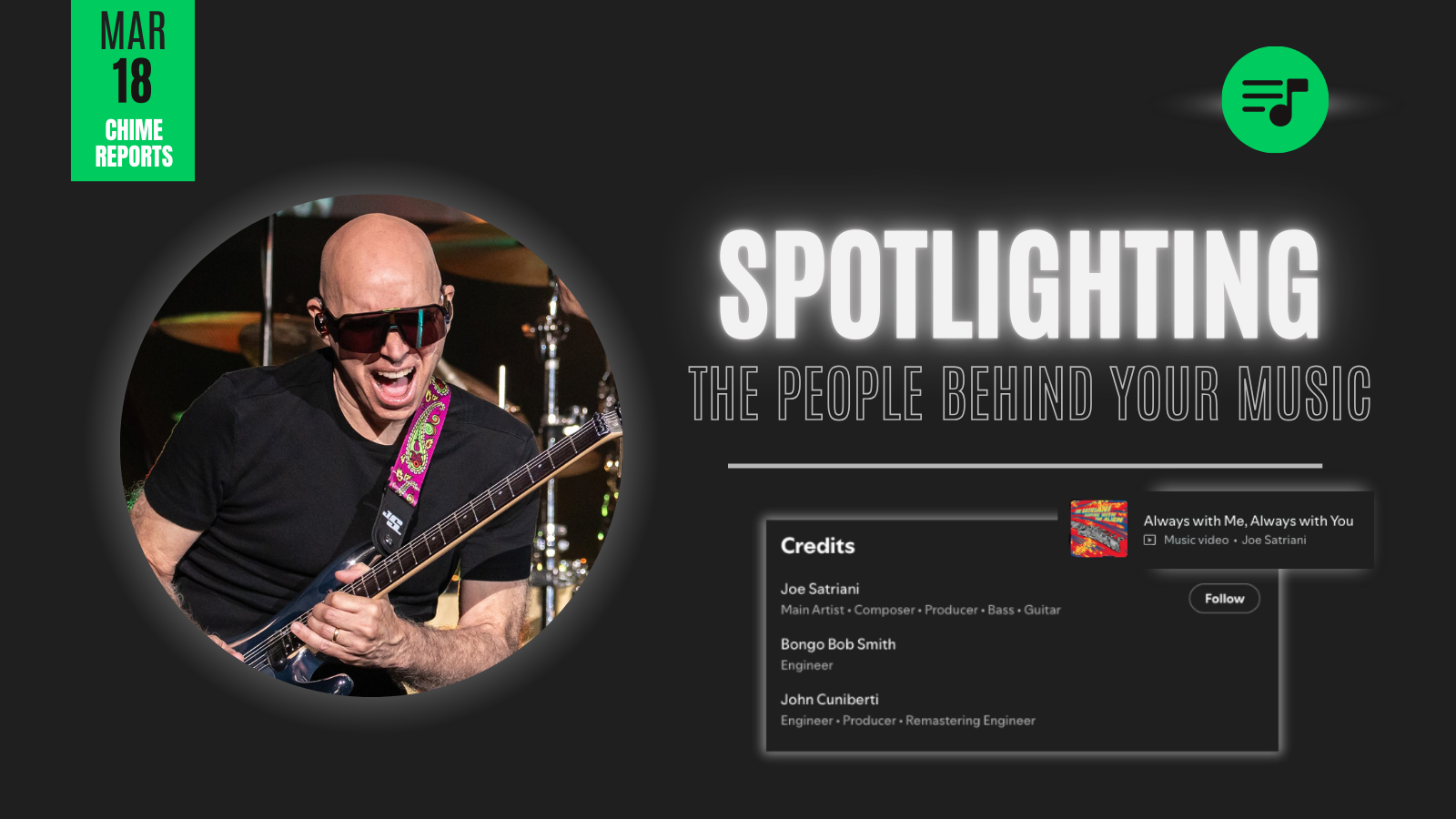
For years, the streaming era has been missing something basic: credits. Songwriters, producers, engineers, and collaborators—the people behind the music—have largely been invisible across major platforms. That may be starting to change. A recent update from Spotify signals a more deliberate move toward showing who made the music, and how those people interconnect.
For many listeners, credits were once central to discovery. Liner notes weren’t just background—they were a way in. You’d trace a producer across albums or follow supporting musicians and co-writers into new territory. When streaming took over, that layer of context mostly disappeared. Platforms optimized for access and scale, and while some streamers introduced partial credit support along the way, it was often inconsistent, incomplete, and hard to find. Spotify experimented with credits in the late 2010s, then pulled back before reintroducing a broader set of partial credits in 2025. This latest update feels more intentional, and more sustained.
Spotify’s updates make one thing clear: making contributor data visible, connected, and usable is becoming a priority. Credits start to function as a discovery layer—something listeners can move through. Instead of stopping at the primary artist, you can follow the wider network behind a song: writers, producers, collaborators. It’s a simple shift, but an important one.
Through our ongoing conversations with Tony Brooke, head of Sound Credit (and longtime collaborator of ours), it’s clear that visibility is still uneven. Platforms can only display the data they receive from labels and distributors, and that data isn’t always complete. Some services have gone further. Pandora and TIDAL have pushed toward full credits. Others, including Apple Music, YouTube, and Deezer, offer more limited views. SoundCloud and Bandcamp rely on artist-supplied credits, creating a different kind of system. Underneath all of this is the work of DDEX, which has spent years building the standards that allow this data to move, though adoption has been slow.
As of early 2026 (with thanks to Tony):
• Pandora shows full credits, including detailed roles (since 2019).
• TIDAL now supports full credits, after starting with partial data in the mid-2010s (first to market).
• Spotify has expanded its credit support with a long list of partial credits.
• Apple Music displays partial credits across mobile (2023) and web (2024).
• YouTube and Deezer show limited songwriter information.
• Amazon Music currently shows little to no credits.
• SoundCloud and Bandcamp display credits for artist-uploaded releases.
Note: this landscape continues to shift, and might be out of date by the time you read this.
Better credit visibility has real implications. When credits are interactive, every contributor becomes a point of entry into a catalog. Discovery expands beyond the headline artist to the full creative network, reflecting how music is actually made.
It also changes how stories are told. Credits give artists, labels, and marketers more to work with—who made the record, how it came together, and how it connects to other work. That context helps music travel further.
All of this makes metadata more important. Accurate, complete credits aren’t just administrative—they shape how music is found and understood. There’s an opportunity, and a responsibility, for artists and their teams to get that right. It may also open the door for new tools and services built around these connections.
This update is more than a feature change. It starts to restore something that was lost in the shift to streaming: context, connection, and the simple act of discovering music by following the people behind it. If Spotify continues in this direction—and others follow—credits could become a core part of how music moves again.