26 Years Later: Chime’s Live Fan Chat with Metallica During the Napster Era
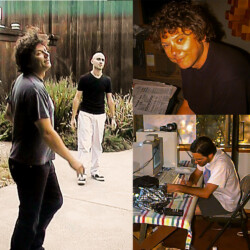
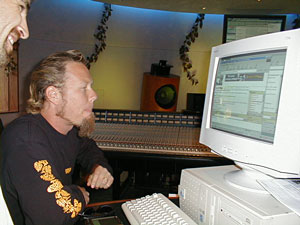
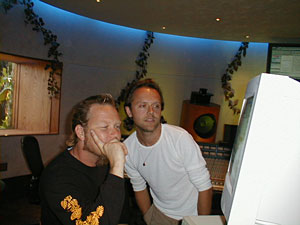
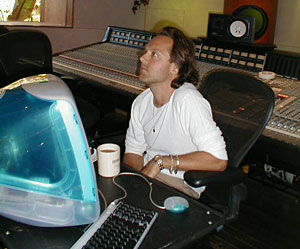
Today marks the 26th anniversary of when, on May 2, 2000, Chime’s Jon Luini was called in to help produce an event for Metallica to connect with fans to talk about their controversial Metallica v. Napster legal case. Created in partnership with ArtistDirect and Yahoo, the band gathered at the iconic Plant Studios in Sausalito, CA (a Chime client) and chatted live and answered select questions from the 29,000+ submitted.
For those under 30, back in 2000 Metallica had discovered their catalog, including unreleased material, was being shared for free across Napster’s rapidly growing peer-to-peer network. The service had tens of millions of monthly users, and distribution had moved faster than the legal and licensing frameworks around it.
“This is a clear case of a middle man cutting us out… Napster is a big machine funded by big money. They are trying to smokescreen everyone into thinking this is a free thing for the fans.” said James Hetfield during the chat.
The conversation focused on ownership, distribution, and what it meant for artists when recorded music could be copied and shared instantly at scale, without permission or compensation. The core of the band’s complaint focused on their studio albums, and not sharing of live recordings which they were ok with (similar to the long-running position of The Grateful Dead).
In the years that followed, legal pressure forced Napster to change how the service operated, and it eventually shut down in its original form. The questions raised during that period didn’t go away—they carried forward, laying the groundwork for the streaming platforms that came next, including Spotify and Apple Music.
Today, those same tensions are still present. Streaming platforms face growing scrutiny over their business practices, while many artists remain outside the core conversations that affect their work. In response, advocacy groups like the Artist Rights Alliance—originally the Content Creators Coalition, which Jon was also part of—have emerged to push for representation in both Congress and the media.
As Metallica put it at the time:
“We’re not saying bands who want to be part of Napster shouldn’t be allowed to. We were never given the choice… We feel Metallica should be in control of how our music is brought to the people.”
The technology has changed, but the underlying issue hasn’t. Artists deciding for themselves how their work is shared—and on what terms—remains central.
Today, the questions around music technology are starting to sound familiar again. This time, they center on artificial intelligence. As MIT economists David Autor and Daron Acemoglu recently pointed out on an episode of The Weekly Show podcast, these systems are trained on centuries of human work, yet the people behind that work are rarely paid.
It puts us in a place that feels a lot like the early Napster era, a time when tech is moving faster than the rules around it. As AI continues to grow, the same core issues are resurfacing: who gets credit, who gives permission, and how people are compensated.
Take a step into the wayback machine and check out these photos from that day and view the chat transcript on our website.